
How does Prioritizing help ?
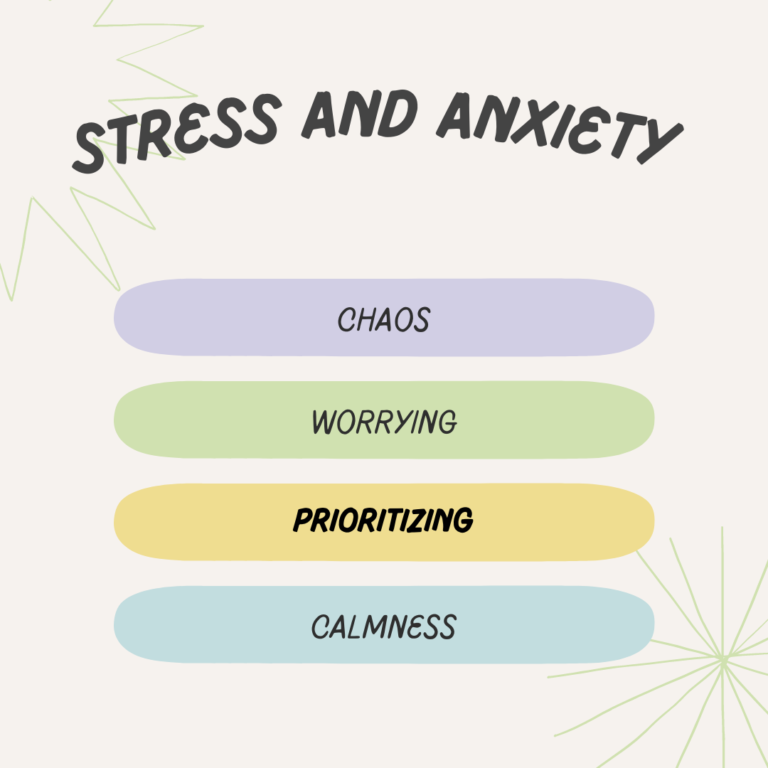
Mastering Prioritization Skills: How to Focus on What Truly Matters
Life is full of competing demands—work, studies, relationships, health, and personal goals. It’s easy to feel overwhelmed and unsure where to invest your time and energy. This is where prioritization skills become a game-changer. They help you identify what’s most important, reduce stress, and make meaningful progress in every aspect of life.
Why Prioritization Skills Matter
Every day, we face countless decisions. Prioritization skills help you decide what deserves attention first. Some real-life scenarios:
- > Education vs. income: Should you study for a long-term career or take a short-term job to cover expenses?
> Relationships vs. career growth: Spending time with loved ones or focusing on a promotion?
> Health vs. constant work: Skipping rest for tasks may seem urgent, but your well-being is non-negotiable. - Even small, daily choices shape your life over time. Recognizing this helps you act intentionally rather than react impulsively.
The Clear Benefits of Prioritization
Mastering prioritization offers tangible advantages:
> Reduces stress and anxiety – Knowing what to focus on prevents mental overload.
> Boosts productivity – Time and energy are spent on tasks that truly matter.
> Enhances work-life balance – You can dedicate attention to both personal and professional commitments.
> Improves decision-making – Clear priorities make choices easier and more confident.
> Focuses on meaningful goals – You avoid getting lost in low-impact tasks.
Example: When life feels chaotic, prioritization allows you to focus on completing one important work task today while scheduling exercise and relaxation later. This clarity reduces stress and improves efficiency.
Practical Steps to Develop Prioritization Skills
Follow these steps to make prioritization a habit:
> List all tasks: Write down everything you need to do. Seeing tasks visually helps your brain prioritize better.
> Categorize by urgency and importance: Use the Eisenhower Matrix or a simple high/medium/low system.
> Apply the 80/20 rule: Focus on the 20% of tasks that yield 80% of results.
> Learn to say no: Politely decline low-priority requests to protect your time.
> Review and adjust: Life changes; your priorities should too. Weekly reflection keeps you aligned with your goals.
They are the ability to determine which tasks or goals are most important and act on them first.
Yes. By focusing on high-impact tasks, you avoid feeling overwhelmed and maintain clarity.
Make daily task lists, categorize them, apply the 80/20 rule, and review priorities regularly.
Absolutely! They help manage relationships, health, hobbies, and personal growth alongside professional responsibilities.
Consistent daily practice can show noticeable improvement in a few weeks.
Conclusion
Prioritization is not about doing more; it’s about doing what matters most. By developing strong prioritization skills, you gain control over your time, reduce stress, and move toward your goals with clarity and confidence. Life may throw multiple demands at you, but with prioritization, you can focus your energy where it counts the most.