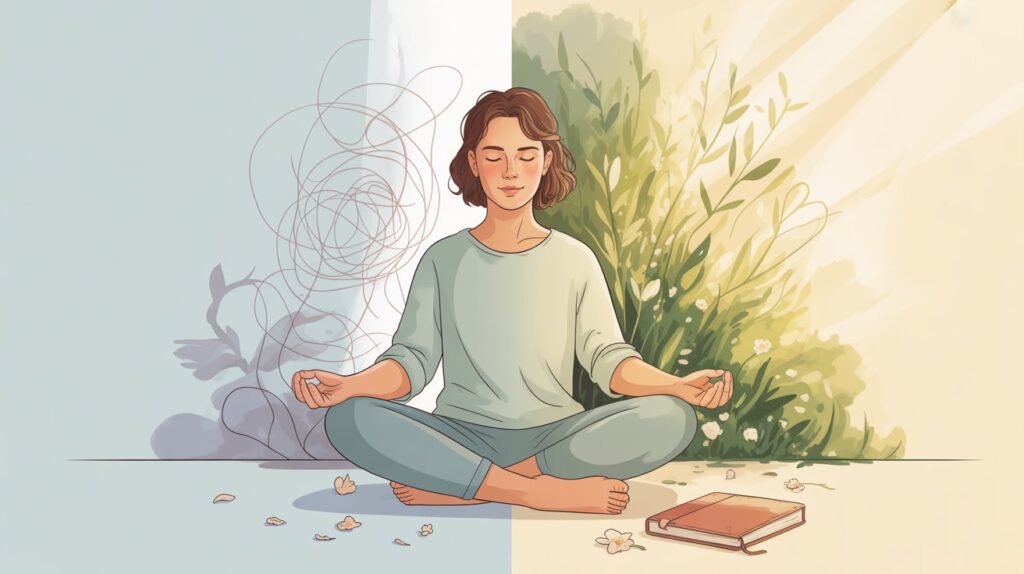
Emotional Triggers: What They Are and How to Manage Them
Therapy for healthy habits
All of us have known situations when our emotions appear to blow out of control: a light remark makes you mad, a thought causes anxiety, and a minor inconvenience can result in oversized anger. Such reactions are usually as a result of emotional stimuli. To a large extent, being aware of their existence and how to deal with them will help you become better emotionally and in relationships.
What Are Emotional Triggers?
Emotional triggers refer to stimuli, or events, words, and situations, or even smells, that prompt a strong emotional response that is usually related to the experience that an individual had in the past. Such responses tend to be automatic and overwhelming. As an example, a person who had been criticized during his or her developmental stages might become strongly defensive when being criticized as an adult.
The causes are highly individualistic. The same thing that influences one person might not influence another person in the same manner. They are usually based on unresolved feelings, previous trauma, or deeply embedded notions. The first step to becoming more effective with triggers is to realize that your response does not only happen in this moment, but there is also some influence of it on your past.
Why Do Emotional Triggers Matter?
Unmanaged emotional stimuli may affect all spheres of life, such as relationships (personal and professional), productivity, and mental health. They can result in hasty judgments, disagreements, or extended stress. Conversely, it is possible to learn how to deal with triggers and manage them better, communicate more effectively, and be less emotionally vulnerable.
How to Identify Your Triggers
Awareness is key. Begin by listening to the incidences when you feel your emotional reaction is very strong or overcharged. Ask yourself:
What exactly happened? How did I feel? Why could such a situation have influenced me so much? It can be helpful to keep a journal so that you can identify trends over time. You might start to see the same themes recurring, like feeling neglected, being criticized, or being out of control.
Strategies to Manage Emotional Triggers
1.Pause and Breathe
There is a fight-or-flight response of your body when provoked. Slow and deep breathing will stop you from reacting and provide you with time to relax and stabilize your nervous system.
2.Name the Emotion
It can help to label what you are feeling—anger, sadness, fear, etc.—and its intensity can be minimized. This is a plain thing that will make your brain change its reaction into reflection.
3.Challenge Your Thoughts You have to question yourself by asking whether the situation is right as you understand it. Are you responding to the current situation or to something that has happened in the past that is similar?
4.Acquire Well-Adjusting Coping Skills.
Indulge in activities that contribute to controlling your emotions, e.g., exercise, meditation, or communicating with a trusted person.
5.Set Boundaries
When someone or something always makes you feel it is appropriate to have some boundaries in order to maintain your emotional health
6.Seek Professional Support
Therapists can help uncover the root causes of triggers and provide tools to manage them effectively.
Moving Forward
Emotional triggers are not to be eradicated but managed in a more healthy manner. It involves patience, self-consciousness, and practice. What was initially overwhelming can be less overwhelming with time, and you are able to act in an intelligent way instead of acting on impulse. When you take time to figure out what makes you feel, you will have more power over your inner world, and that will be able to change the way you live.