Helping Kids Manage Anxiety: What Works & What Doesn’t
Child anxiety is a frequent phenomenon and may manifest in a variety of ways, including over worrying and being restless, to such physical symptoms as stomachache or insomnia. Knowing how to assist children to cope with anxiety will go a long way in ensuring that their confidence levels and emotional well-being are boosted. Children are able to learn to confront their anxieties and acquire positive coping mechanisms with the help of the right strategies and the support.
Recognizing Anxiety in Children
Children do not necessarily report feeling anxious, but a child may have cues of anxiety, such as the child always having to be reassured, avoiding school or social life, or the child just saying they are afraid of the things they do every day. By noting such cues at an early stage, you can be more helpful.
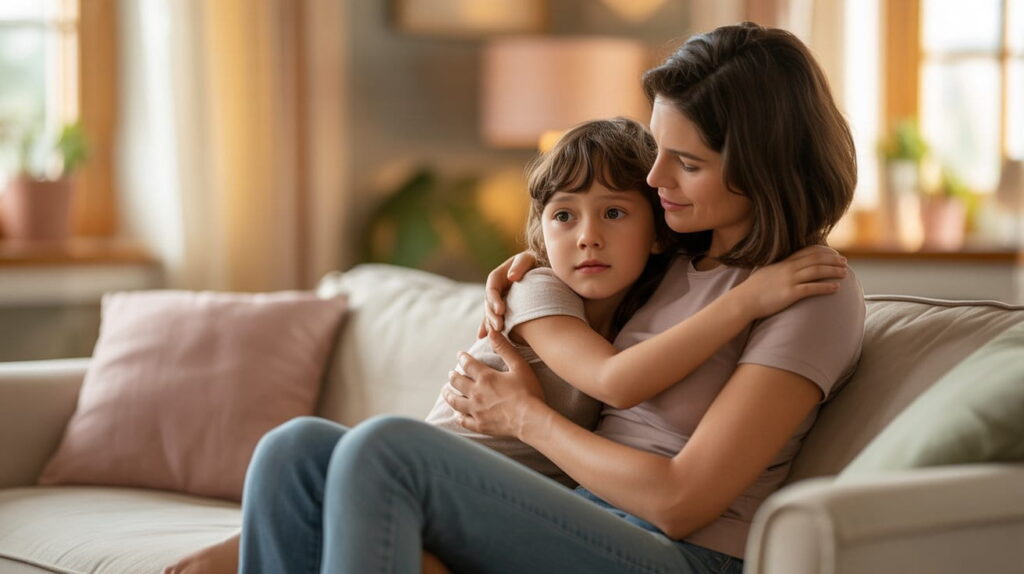
The fears of children are quite real. Employing compassion to understand their feelings, such as saying, “I understand that this is scary to you,” will make them feel understood and valued, and over time, they will be less afraid of it.
2. Teach Breathing and Relaxation Techniques
Even the simplest tools, such as deep breathing (also known as bubble breathing or slow belly breaths) and guided imagery, would relax the nervous system in case of anxiety. Such methods make children feel more bossy over their response.
3. Build Confidence Through Small Steps
The success experience that children get through breaking tasks down into small, manageable pieces, such as taking tests in bits, prepares children to be resilient. Practice can also aid in eliminating anxiety by having them do the things they fear, such as talking to a teacher or participating in a game.
4. Provide Structure and Safe Routines
Daily patterns such as regular mealtimes, time to do homework, and bedtime give children with anxiety some form of security and thus make the world a little less threatening.
5. Encourage Healthy Activities
Activities like play, exercise, and outdoor time serve to encourage much-needed energy release and control of emotions, as well as relaxation in kids. They find good ways to express their emotions through creative play and hobbies.
What Doesn’t Work: Common Mistakes to Avoid
Not every method proves to be useful. There are reactions that people do with the best intentions, but actually, they tend to aggravate the anxiety:
1. Avoiding Anxiety-Provoking Situations
Attempts to safeguard a child through taking them out of what they fear will get them temporary relief, but in the long term, it strengthens fear. Confidence is built through gradual exposure, that is, getting them to deal with fears in a gentle manner.
2. Minimizing Their Feelings
Sentences such as “Do not worry, it is nothing,” etc., may leave the children confused. Rather affirm them and then train them in coping mechanisms
When to Consider Professional Help
In case anxiety has a major impact on the day-to-day activities of a child, such as his or her performance in school, friendships, and the ability to sleep, it may be prudent to seek the expertise of more experienced professionals. The most suitable anxiety counselors will be able to provide specific strategies and therapeutic interventions, which will help children learn to comprehend and cope with their experiences in a safe and well-organized manner.
Conclusion
It takes time, knowledge, and the right equipment to assist the kids to assimilate anxiety. With the help of positive expressions, calming methods, healthy lifestyles, and appropriate professional assistance, the children will be capable of conquering the anxiety experiences and turning into trustful and self-confident individuals.