Lifestyle Change: Simple Steps to Improve Your Health and Well-Being
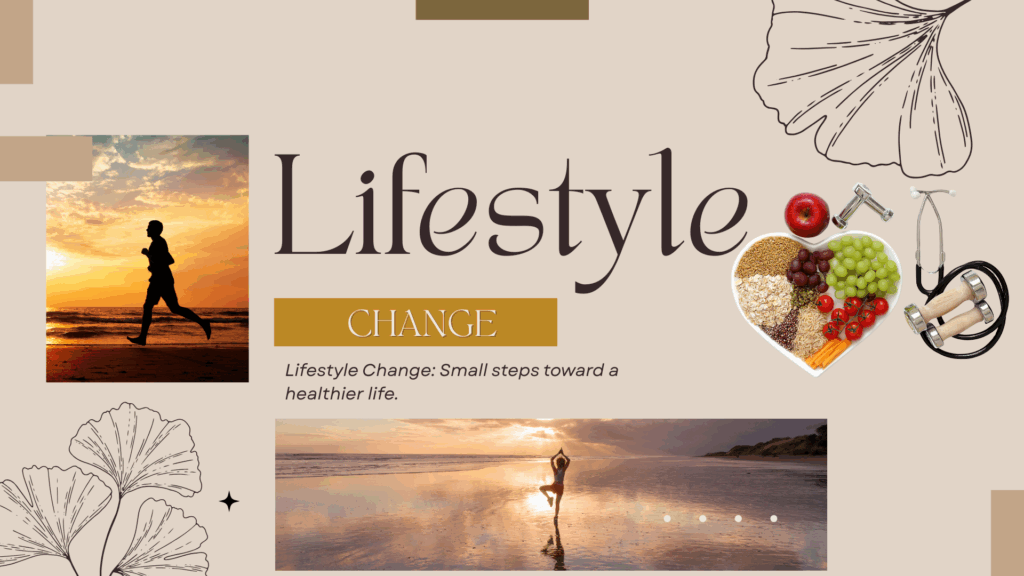
The Lifestyle Change can be positive and enhance physical and mental health. A common misconception is that lifestyle change involves serious measures and a big change, but in reality, the change can be of small and insignificant steps that can lead to change in the long term. This article describes how a few changes in your lifestyle can make you feel better, healthier, and more in control of your everyday life.
Understanding Lifestyle Change
A Lifestyle Change refers to modifying day-to-day habits in order to favor good health and well-being. This can involve routine, attitude, eating, exercise or stress management changes. Perfection is not the aim, but improvement is—making the decisions that will favor your well-being in general.
Why Lifestyle Change Is Important
Healthy habits have a positive impact on energy level, mood, sleep and emotional stability. By Making a Positive Lifestyle Change, You can lower stress levels, increase concentration and decrease the risk of Physical and Mental Health Issues; and over time these changes create a more balanced lifestyle with greater satisfaction.
Simple Lifestyle Change Steps to Improve Well-Being
Build Healthy Daily Routines
The most crucial aspect of a change in lifestyle is consistency. Easy-to-adopt habits that promote health include going to bed and rising at the same time every day, eating meals at regular intervals, and maintaining a consistent sleeping schedule for both physical and mental regulation.
Focus on Physical Activity
Exercise is helpful in promoting physical health and mental health. A Lifestyle Change does not mean that the person should engage in intensive exercise every day—walks, stretches, and light exercises could help lift the energy, mood and health of the person.
Improve Nutrition Choices
Balanced meals are very important in a healthy Lifestyle Change. Whole food consumption, water consumption, and the consumption of excessive sugar and processed foods can have a beneficial effect on the level of energy and emotional well-being.
Manage Stress Effectively
To achieve a complete healthy lifestyle change, you must learn how to Manage Stress. While there are many ways to manage stress, including relaxation techniques (deep breathing), mindfulness and meditation; Journals; and setting healthy boundaries, they will help maintain emotional balance and reduce chances of Burnout.
Prioritize Mental and Emotional Health
Making a successful healthy lifestyle change means caring about your mental health. There are simple strategies you can use, like taking Recesses, Asking for help when Needed (help) and Practicing Self Compassion to build Emotional Resiliency and increase the level of overall Life Satisfaction.
Sustainability of Lifestyle Change
The Long-Term Lifestyle Change is developed through realistic and enjoyable changes in your lifestyle, and thus you start with small lifestyle changes, track the progress of your change, and do modifications where necessary. Always be consistent, and you will get long-term results.
Conclusion
A Lifestyle Change does not necessarily need to be daunting. Very easy actions e.g. making routines better, dealing with stress, being active and taking care of mental health, can help a lot. Avoiding trying to change everything at once is a good way to create a healthier and more balanced life through a series of little and positive changes.