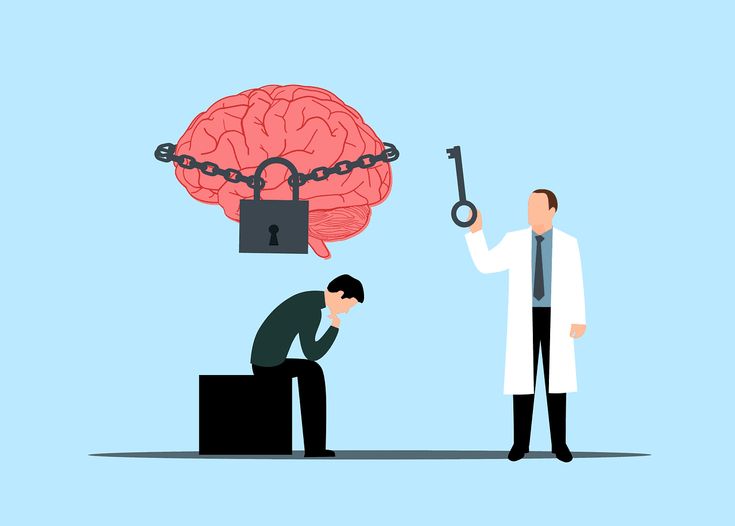
Living with depression can feel like carrying an invisible weight every day. Even simple tasks can become exhausting, and it may seem as though the joy has slowly disappeared from things you once cared about. You might find yourself withdrawing from people, struggling to stay motivated, or feeling emotionally numb without fully understanding why.
If this feels familiar, know that you don’t have to go through it alone.
Therapy offers a space where you can pause, talk openly, and begin making sense of what you’re experiencing. There is no pressure to “stay positive” or “just get over it.” Instead, you are met with empathy, curiosity, and support as you move at a pace that feels comfortable for you.
Counselling helps to find motivation, perspective, and joy that you once had in your life.
When Depression Starts Affecting Everyday Life
Depression doesn’t always look the same for everyone. For some, it feels like constant sadness. For others, it shows up as irritability, emotional exhaustion, or feeling disconnected from life.
You may notice that:
Getting out of bed feels harder than it used to.
You’re constantly tired, even after resting.
Activities you once enjoyed no longer bring satisfaction.
You feel overwhelmed by everyday responsibilities.
You find yourself withdrawing from family or friends.
Self-doubt and self-criticism have become constant companions.
It feels difficult to imagine things getting better.
These experiences can feel isolating, but they are more common than many people realise.
How Counselling Can Help
In therapy, the goal isn’t to tell you what to do or offer quick fixes. It’s about understanding your experience, exploring what may be contributing to your emotional struggles, and helping you develop healthier ways of responding to them.
Together, we work to:
Understand the emotional patterns that may be keeping you stuck.
Explore difficult thoughts and feelings without judgement.
Build healthier coping strategies that fit your life.
Strengthen self-awareness and self-compassion.
Improve emotional resilience during challenging times.
Reconnect with the parts of life that feel meaningful to you.
Every person’s story is different, which is why therapy is always tailored to your individual experiences, needs, and goals
What You Can Expect During Therapy
The first few sessions are about getting to know you—not just your struggles, but your life, relationships, values, and the challenges you’ve been carrying.
Rather than rushing toward solutions, we take time to understand your experiences together. Therapy is collaborative. You are never expected to have all the answers, and there is no expectation to share more than you feel ready to.
The therapeutic relationship itself can become a safe place where healing begins through trust, acceptance, and genuine understanding.
Why Work With a Counselling Psychologist?
As a counselling psychologist, my role is to support your emotional well-being through evidence-informed counselling and psychotherapy. I provide a confidential, compassionate space where you can explore your thoughts, emotions, and life experiences without fear of judgement.
Whether you’re navigating persistent low mood, emotional overwhelm, relationship challenges, life transitions, or a loss of direction, therapy can help you better understand yourself and move towards meaningful change.
My focus is not on labelling you, but on understanding your unique experiences and helping you build the emotional resources needed to cope, heal, and grow.
Taking the First Step
Reaching out for therapy can feel difficult, especially when you’re already feeling emotionally drained. But you don’t have to wait until things become unbearable before seeking support.
If depression has been affecting your daily life, relationships, or sense of self, therapy can offer a place to feel heard, understood, and supported.
Healing isn’t about becoming a different person. It’s about reconnecting with yourself, finding new ways to cope, and gradually creating a life that feels more manageable and meaningful—one step at a time.