
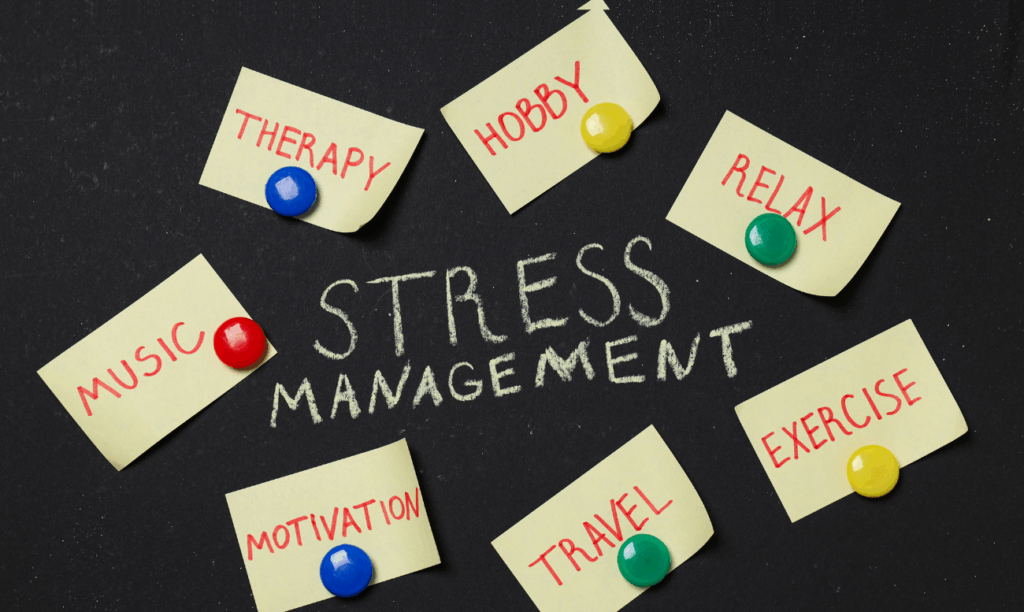
Stress management Therapy: Techniques, Tips, and Stress Relief for Beginners
Stress is a normal part of life. From work deadlines to personal responsibilities, everyone experiences stress at some point. While occasional stress can motivate us constant or overwhelming stress can affect both mental and physical health. This is where stress management therapy comes in—a structured way to understand your stress and learn practical strategies to cope with it
What is Stress Management Therapy?
Stress management therapy is a psychological approach that helps individuals identify their stress triggers and develop effective coping strategies. A trained therapist works with you to understand why you feel stressed and provides tools like stress relief therapy, mindfulness exercises, deep breathing techniques, and time management strategies. This therapy is suitable for everyone—from beginners to those dealing with stress
Stress Management Therapy for Beginners
If you are new to therapy, stress management therapy for beginners focuses on simple, easy-to-follow steps The goal is to build habits that help you respond calmly to stressful situations. Common techniques for beginners include:
- Deep breathing exercises: Slow, controlled breathing reduces physical tension and calms the mind.
- Mindfulness and meditation: Spending a few minutes focusing on the present moment prevents overthinking.
- Task organization and prioritization: Breaking tasks into smaller steps and setting realistic goals reduces pressure.
- Short breaks and physical activity: Stretching, walking, or light exercise refreshes the mind and body.
Even small daily habits can make a noticeable difference in mood, focus, and overall stress levels
Effective Stress Management Techniques
There are several stress management techniques that can be practiced daily to manage tension and improve wellbeing:
- Mindfulness meditation: Focus on your breath or surroundings to stay present and calm.
- Physical activity: Exercise, yoga or even a short walk helps release tension and boosts energy.
- Relaxation activities: Listening to music, reading, or engaging in hobbies can calm the mind.
- Time management: Planning tasks and prioritizing important work reduces last-minute pressure.
- Positive self-talk: Encouraging thoughts help maintain confidence and emotional balance.
Consistently practicing these stress management techniques helps you build resilience and prevents minor stress from escalating into chronic problems
Stress Relief Therapy
While stress management focuses on long-term coping, stress relief therapy provides immediate ways to feel calmer when stress peaks. Guided relaxation, deep breathing, or meditation exercises help reset the mind and body. Even a few minutes of stress relief therapy during a stressful moment can improve mood, focus, and productivity. This therapy is especially useful before exams, meetings, or any high-pressure situation
Why Stress Management Matters
Chronic stress affects both the body and mind. It can cause headaches, sleep disturbances, high blood pressure, irritability, and reduced concentration. By adopting stress management therapy and applying stress management techniques, you can minimize these negative effects and improve your overall wellbeing. Beginners and those experienced with stress alike benefit from these practices, gaining better control over their emotions and daily life
Conclusion
Stress is unavoidable, but it doesn’t have to control your life. With stress relief techniques, practical stress management strategies, and regular stress relief practices, you can improve your mental and emotional health. These strategies help you handle challenges calmly, maintain focus, and live a more balanced and productive life. Starting with small, consistent practices is the key to managing stress effectively and building long-term resilience